

Skills & Learning
Videos
From Winter Comfort to Spring Fresh: How to Adapt Your Menu
Back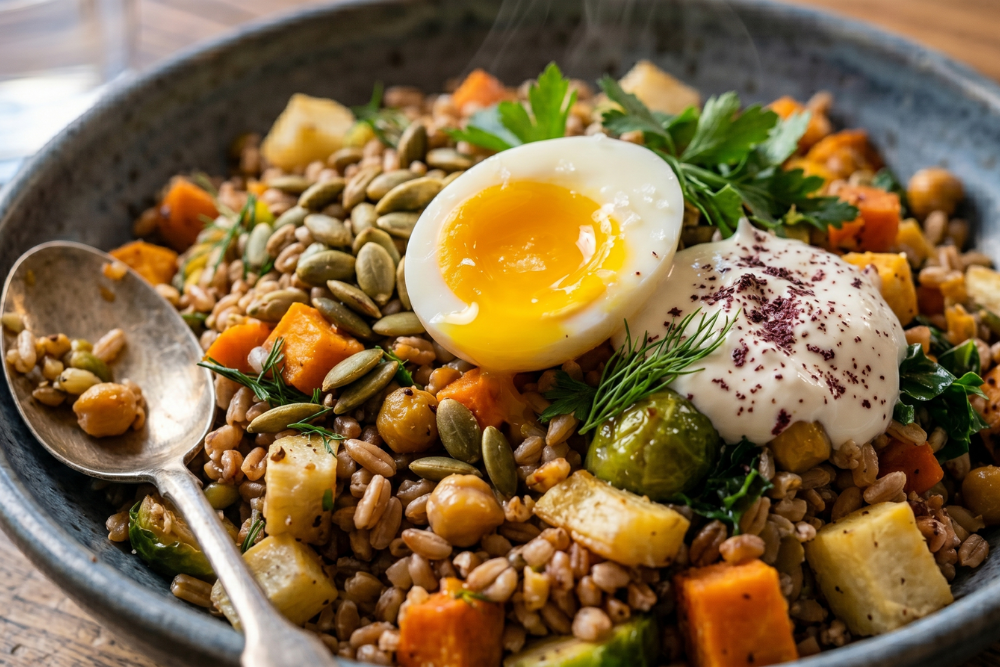
Seasonal shifts do not need to mean a complete kitchen reset. Smart operators are using versatile ingredients to transition from hearty winter meals to lighter spring offerings with ease.
The most efficient kitchens are built for flexibility. By using versatile pantry staples across multiple menu applications, HORECA operators can adapt to changing customer preferences without increasing procurement pressure or operational complexity. Here’s how Tiger Brands Food Service Solutions helps kitchens move seamlessly from winter comfort to spring freshness.
As seasons change, customer cravings change with them. Winter menus are built around hearty meals, rich flavours and comfort-driven dishes, while spring brings demand for lighter, fresher and more vibrant options.
For many HORECA operators, this shift often leads to unnecessary menu overhauls, increased procurement costs and operational disruption. But the smartest kitchens approach seasonal transitions differently.
Instead of replacing ingredients entirely, they build flexible menus around versatile basket staples that can adapt across multiple dishes and service occasions.
A grain used in a winter stew can become the base of a spring grain bowl. A rich sauce base can evolve into a lighter seasonal accompaniment. Beverage ingredients that support warm winter pairings can transition into refreshing spring serves.
This approach helps operators reduce waste, simplify stock management and maintain consistency while still keeping menus seasonal and relevant.
With Tiger Brands Food Service Solutions, kitchens can build menus that evolve naturally with customer demand while continuing to maximise value from the same basket.
Because seasonal success is not about starting over. It is about making your basket work smarter across every season.